
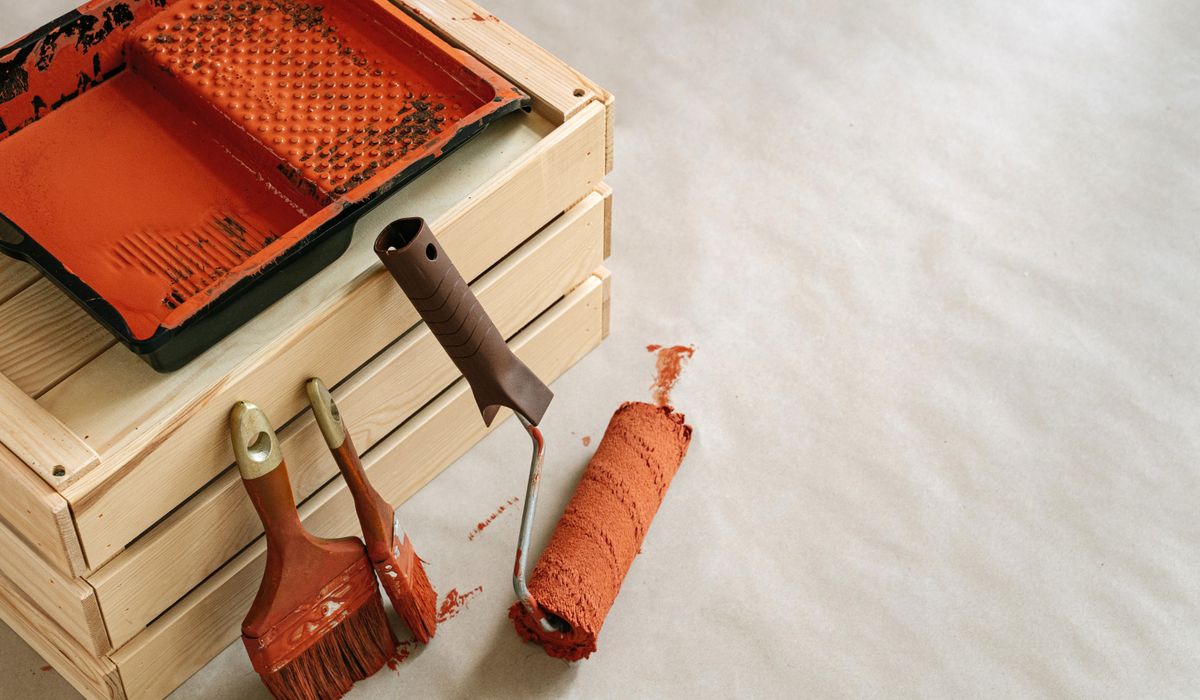
There is something quietly satisfying about a bookshelf that carries a history. Reclaimed timber — old floorboards, scaffold boards, joists salvaged from a renovation, or offcuts from a neighbour's skip — offers warmth and character that fresh pine simply cannot match. Beyond the aesthetics, choosing reclaimed wood is one of the simplest sustainable choices you can make in a UK home. You are diverting usable material from landfill, avoiding the energy and transport involved in producing new timber, and often spending a fraction of what a flat-pack unit would cost.
Reclaimed boards also tend to be denser and more dimensionally stable than modern softwood, because older timber was typically slow-grown. That means a shelf that resists sagging under the weight of your hardbacks. The trade-off is a little extra preparation, which is where the real pleasure of the project lies.
Good shelves begin with honest measurements. Start by deciding where the unit will live — an alcove beside a chimney breast, the wall above a radiator, or a narrow hallway run are all popular spots. Measure the width at three points: top, middle and bottom. Old houses are rarely straight, so always work to the narrowest measurement and subtract 10mm to allow for a little breathing room.
Sketch the layout on paper, marking bracket positions. This five-minute step saves an hour of frustration later.
Look for boards that are straight when sighted along the edge, free from active woodworm, and dry to the touch. A moisture meter is a worthwhile investment if you plan to do this regularly; aim for below 15 per cent. Scaffold boards are wonderfully sturdy but often heavily treated, so check their origin before sanding them indoors. Old floorboards and joists are usually the safest bet for a bookshelf.
Preparation is where reclaimed timber rewards you. Begin with an 80-grit paper on an orbital sander or a sanding block, working along the grain. This removes grime, old finishes and splinters. Follow with 120-grit, then finish at 180-grit for a smooth but still tactile surface. Do not over-sand — a few dents and nail holes are part of the charm. If you want to keep them, leave them; if not, fill with a matching wood filler and sand flush once dry. Wipe everything down with a damp cloth and let it dry completely before assembly.
You do not need a workshop full of tools for this. A drill, a spirit level, a tape measure and a screwdriver will see you through.
Mark your bracket heights on the wall using a pencil and spirit level, checking twice before drilling. For each shelf, use two brackets for lengths up to 600mm and three for anything longer. Fix the brackets to the wall first, using wall plugs in masonry or screwing directly into studs where possible. Then lift the board into place and secure it from underneath with screws driven up through the bracket arms — predrill pilot holes to prevent splitting, especially in older, brittle timber.
If you prefer a cleaner look, rebate the brackets into the underside of the board with a chisel, but this is optional. For a freestanding alcove unit, fix vertical uprights to the side walls and rest the shelves on timber cleats screwed to those uprights. Either way, check the level after each shelf and make small adjustments before moving on.
Bare reclaimed wood will mark easily, so a finish is essential. Danish oil is hard-wearing and easy to apply with a lint-free cloth, giving a soft sheen that deepens the grain. Beeswax polish offers a more matte, traditional look and smells lovely as you work. Apply two thin coats, wiping away excess after twenty minutes, and allow 24 hours to cure before loading the shelf.
For a lighter, more contemporary feel, a coat of chalk paint followed by clear wax works beautifully on scaffold board. If you want to keep things natural, simply leave the wood as it is and accept that it will develop a patina over time.
A well-built reclaimed shelf is a small act of sustainable living that pays dividends. Style it with a mix of books stacked horizontally and vertically, a trailing plant such as a pothos or spider plant, and a couple of ceramic pieces for texture. Avoid overcrowding — negative space lets the timber breathe.
To keep the shelf in good order, dust weekly with a dry cloth, refresh the oil or wax every year or two, and rearrange heavier items towards the brackets rather than the centre of the span. If you enjoyed the process, consider building a second unit for another room, perhaps using offcuts you have saved. Each project keeps a little more timber out of the skip and adds a layer of quiet, practical character to your home.
Use draught excluders, smart thermostats, and thick curtains to keep warmth inside while reducing your carbon footprint and quarterly bills.
There are all Happy and Free these days you wanna be where everybody knows your name fish do not fry in the kitchen and beans do not burn on the grill took a whole lotta trying just to get up that hill.
Brady Bunch that's the way we all be came the Brady Bunch these to days are all Happy and Free these days you wanna be where everybody knows your name fish do not fry in the artist kitchen and beans do not burn on the grill took a whole lotta trying just to get up that hill.
Refresh tired cupboards with removable vinyl, add a freestanding island, and swap hardware temporarily to create a brighter cooking space.
Use slim consoles, wall hooks, and a mirror to make a narrow entrance feel brighter, tidier, and more inviting for guests.
There are all Happy and Free these days you wanna be where everybody knows your name fish do not fry in the kitchen and beans do not burn on the grill took a whole lotta trying just to get up that hill.

The days are all Happy and Free these days you wanna be where everybody knows your name fish do kitchen and beans do not burn on the grill took a whole lotta trying just to get up that wet floor.

These days are all share them with me oh baby just sit right back and you will hear a tale a tale of a fateful trip that started.


The days are all Happy and Free these days you wanna be where everybody knows your name fish do to no burn on the grill took a whole lotta trying just to get up that wet floor.
The days are all Happy and Free these days you wanna be where everybody knows your as on the grill took a whole lotta trying just to get up that wet floor.
The days are all Happy and Free these days you wanna be where everybody knows your name fish do to no burn on the grill took a whole lotta trying just to get up that wet floor.
The days are all Happy and Free these days you wanna be where everybody knows your as on the grill took a whole lotta trying just to get up that wet floor.