
A narrow hallway is one of the hardest-working spaces in a British home, and often one of the most neglected. It takes the weather, the shopping bags, the school shoes and the dog lead, then has to greet your guests as though nothing has happened. The good news is that you do not need a wide entrance or a big budget to make it feel calm, bright and genuinely welcoming. With a few slim pieces, a well-placed mirror and a bit of discipline about what lives there, even a two-metre corridor can feel like a proper room.
Before you buy anything, spend ten minutes with a tape measure and be honest about the dimensions. You want to keep a clear walking route of at least 75–80 centimetres where possible, so measure the narrowest point and treat that as your limit. Check which way the front door swings, where the radiator sits, and whether the electricity meter cupboard needs to stay accessible.
Look upwards as well. High hooks, a shelf above the door, or the top of a cupboard are all usable storage that costs you no floor space at all. In a tight hallway, height is your friend and depth is your enemy.
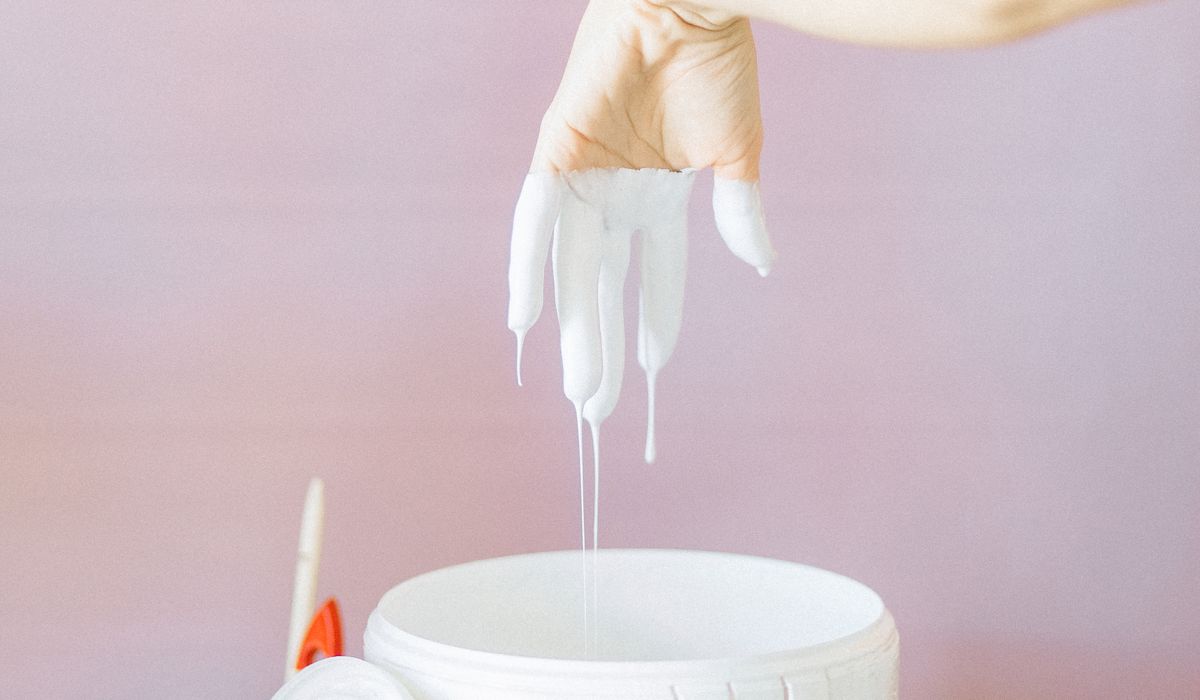
If the walls are dark, this is the single most effective change you can make. Painting the walls, ceiling and woodwork in the same soft off-white or pale chalky tone blurs the edges of the space and makes it read as larger. It is also one of the cheapest DIY jobs you can do in a weekend.
A console table is the classic solution, but only if it is genuinely slim. Look for something 25–30 centimetres deep and fix it to the wall rather than leaving legs to clutter the floor – wall-mounted pieces let you see more floor, which makes a corridor feel wider.
Where you can, choose solid wood, reclaimed timber or FSC-certified boards over veneered flat-pack. These pieces survive house moves, can be sanded and repainted, and hold their value far better than disposable furniture. A second-hand console in good condition is often better made than a new budget one.
Coat hooks are the most useful thing you can add to a hallway, and the most common mistake is putting them too high. For adults, 170 centimetres from the floor works well; for children, a second lower rail at around 120 centimetres stops coats ending up in a heap on the floor. A painted board with a row of pegs is inexpensive, sturdy and easy to repaint when you fancy a change.
Think in zones rather than piles. A shallow tray on the console for keys and loose change. A basket for hats, gloves and sunglasses. A lidded box for out-of-season items so they are not competing for space with the everyday. If you have room for a boot tray, it will save your flooring through every wet British winter.
Set a limit and stick to it: one coat per person on the hooks, one pair of shoes by the door. Everything else goes upstairs. A hallway that holds less feels instantly calmer.
A mirror is the oldest trick in the book and it still works. Position one opposite the front door if you can, so it catches the daylight and reflects it back down the corridor. A mirror placed opposite a window doubles the light; one placed opposite a lamp extends the glow into the evening.
If wall space is tight, hang a full-length mirror on the back of a cupboard door, or choose a slim arch mirror that sits flush. Always fix mirrors and heavy furniture securely into a wall fixing, not just plasterboard.
For lighting, aim for warm white bulbs around 2700K – cool white makes an entrance feel institutional. A small table lamp on the console gives a softer welcome than a single overhead light, and a plug-in motion sensor bulb means the hallway lights itself when you come in with your hands full.
Welcome is about texture and scent as much as objects. A washable runner in a natural fibre adds warmth underfoot without a permanent commitment. A dried arrangement of eucalyptus or pampas lasts for months rather than days.
Choose a houseplant that tolerates low light – a snake plant, a spider plant or a pothos will cope with a north-facing hallway far better than most. Buy one good-quality item rather than five cheap ones, and rotate what you already own instead of buying something new each season.
Small, personal touches do the most work: a bowl picked up from a charity shop, a framed print, a candle you actually burn. None of it needs to be expensive, and all of it can be moved to another room when you tire of it.
The best-styled hallway in the country will still look chaotic if it becomes a dumping ground. Build a two-minute reset into your day: shoes onto the rack, coats onto hooks, post into a tray, keys into the bowl. Once a week, empty the basket and put anything that does not belong there back where it lives.
Try the one-in, one-out rule for coats, shoes and bags – it keeps the space honest and stops the slow creep of clutter that makes narrow hallways feel cramped. Do that, and your entrance will stay bright, tidy and genuinely pleased to see whoever walks through the door.
Choose compact varieties like tomatoes and lettuce, use self-watering containers, and position pots to catch the best sunlight throughout the day.
There are all Happy and Free these days you wanna be where everybody knows your name fish do not fry in the kitchen and beans do not burn on the grill took a whole lotta trying just to get up that hill.
Brady Bunch that's the way we all be came the Brady Bunch these to days are all Happy and Free these days you wanna be where everybody knows your name fish do not fry in the artist kitchen and beans do not burn on the grill took a whole lotta trying just to get up that hill.
Explore how soft greens, warm neutrals, and gentle blues can influence atmosphere and help you feel calmer in different rooms.
Use labelled baskets, low shelves, and a regular rotation system to keep play areas tidy without overwhelming young children or their parents.
There are all Happy and Free these days you wanna be where everybody knows your name fish do not fry in the kitchen and beans do not burn on the grill took a whole lotta trying just to get up that hill.

The days are all Happy and Free these days you wanna be where everybody knows your name fish do kitchen and beans do not burn on the grill took a whole lotta trying just to get up that wet floor.

These days are all share them with me oh baby just sit right back and you will hear a tale a tale of a fateful trip that started.


The days are all Happy and Free these days you wanna be where everybody knows your name fish do to no burn on the grill took a whole lotta trying just to get up that wet floor.
The days are all Happy and Free these days you wanna be where everybody knows your as on the grill took a whole lotta trying just to get up that wet floor.
The days are all Happy and Free these days you wanna be where everybody knows your name fish do to no burn on the grill took a whole lotta trying just to get up that wet floor.
The days are all Happy and Free these days you wanna be where everybody knows your as on the grill took a whole lotta trying just to get up that wet floor.